
Online Therapy for Anxiety in Pennsylvania
When Anxiety Begins to Take Over
Anxiety can make it feel like your mind never truly rests. Maybe you overthink decisions, expect the worst, replay conversations in your head, or constantly feel on edge. Even when everything seems okay, your mind may continue searching for the next problem to solve.
Over time, anxiety can begin to affect your confidence, relationships, work, and ability to fully engage in your life. It can be exhausting to carry the weight of constant worry.
Understanding Anxiety Beneath the Surface
Anxiety often makes sense when we begin to understand it in the context of your life. Rather than seeing it as something to fight against, we become curious about what it may be communicating.
Anxiety can develop for many different reasons. Sometimes anxiety develops in response to stressful experiences or ongoing life circumstances. Other times, it reflects emotional patterns that have developed over many years. Together, we'll work to understand your unique experiences and the underlying factors contributing to your anxiety today.
How Therapy Helps
In therapy, we create space to slow down and better understand your experience rather than immediately trying to get rid of uncomfortable feelings.
Using a person-centered and psychodynamic approach, we'll explore your thoughts, emotions, and experiences with curiosity and compassion. As you gain a deeper understanding of your anxiety, you often begin to feel less controlled by it.
Over time, therapy can help you respond to anxious thoughts and emotions with greater flexibility, self-awareness, and confidence, allowing you to move through life with more freedom and ease.
What Changes Over Time
As therapy progresses, many people begin to notice:
Less overthinking and mental exhaustion
Greater awareness of emotional patterns and triggers
Increased self-trust when making decisions
More confidence tolerating uncertainty
A greater sense of calm and emotional steadiness
More freedom to live according to your values rather than your anxiety
Working With Me
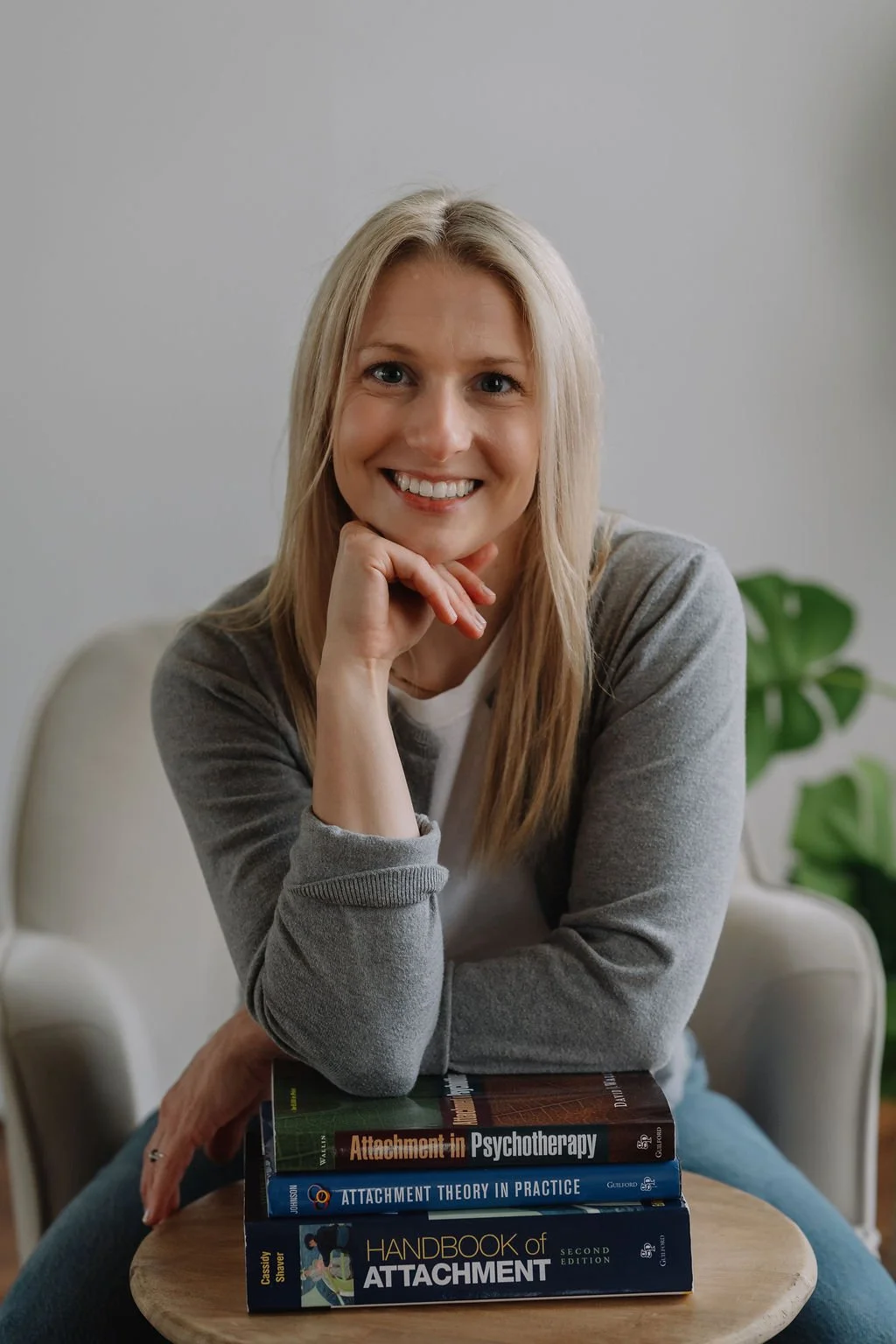
I am a licensed professional counselor providing online therapy for adults across Pennsylvania. My approach is warm, collaborative, and grounded in person-centered and psychodynamic therapy. Rather than offering one-size-fits-all strategies, I work to understand your experience within the context of your life, helping you develop lasting insight alongside meaningful change.
Ready to feel less controlled by anxiety?
Anxiety doesn't have to define how you move through your life. Therapy can help you better understand your experience, develop a stronger sense of self, and create more space for calm, confidence, and choice.
If you're ready to begin, I'd be happy to talk with you about whether working together feels like a good fit.
Reach out to schedule a free consultation.